2008 Financial Crisis: How the Collapse Toppled Global Markets and Uproved Economies
2008 Financial Crisis: How the Collapse Toppled Global Markets and Uproved Economies
The 2008 Financial Crisis was not merely a recession—it was the most severe global economic downturn since the Great Depression, triggered by a perfect storm of risky lending, financial deregulation, and systemic fragility. Lasting over a decade in its economic aftershocks, the crisis exposed deep flaws in the banking system, shifted global policy frameworks, and forever altered public trust in financial institutions. By examining its root causes and far-reaching effects, a clearer picture emerges of how interconnected financial ecosystems can unravel—and what lessons emerged in the wake of the chaos.
The crisis erupted amid a housing bubble fueled by unprecedented risk-taking in the U.S. mortgage market. Banks and financial firms aggressively expanded subprime lending, packaging high-risk home loans into complex securities sold to investors worldwide.
These instruments—many labeled as "safe" due to flawed credit ratings—hidden layers of default risk. At the core was a dangerous overreliance on leverage, with institutions borrowing heavily to amplify returns, even as asset values began to falter.
Root Causes: The Real Triggers Beneath the Bubble
The foundation of the crisis rests on multiple interlocking failures: - Excessive Risk in Mortgage Lending: Lenders issued adjustable-rate and no-documentation loans with minimal credit checks, targeting vulnerable borrowers. As home prices soared, widespread credulity masked deteriorating fundamentals.“We thought housing prices would never fall,” admitted former executives, underscoring a collective overconfidence. - Securitization and Opacity: Mortgage-backed securities (MBS) and collateralized debt obligations (CDOs) scattered risk across global financial institutions, obscuring actual exposure. Bond rating agencies, compensated by issuers, awarded AAA ratings to products with hidden default thickets.
- Inadequate Regulation and Oversight: Regulatory frameworks lagged behind innovation; derivatives markets operated largely unchecked, and agencies failed to curb predatory practices. “No single regulator had a clear view of the system’s vulnerabilities,” noted financial policy analysts. - Excessive Leverage and Market Liquidity Collapse: Investment banks amplified exposure through derivative bets and high debt loads, rendering them fragile when asset values dropped.
When confidence evaporated in September 2008, a liquidity vacuum emerged—no lender was willing to extend credit.
Meltdown in Motion: From Subprime to Systemic Collapse
The crisis reached critical mass in late 2007, as housing prices began to decline. Defaults on subprime loans surged, triggering massive losses on mortgage-backed assets.Financial institutions that had built massive portfolios of toxic debt found themselves insolvent or severely undercapitalized.
The collapse accelerated in 2008 with the shutdown of Lehman Brothers—once a Wall Street titan—following its bankruptcy filing on September 15. “We didn’t see Lehman coming, but we knew it would set off panic,” reflected Federal Reserve officials.
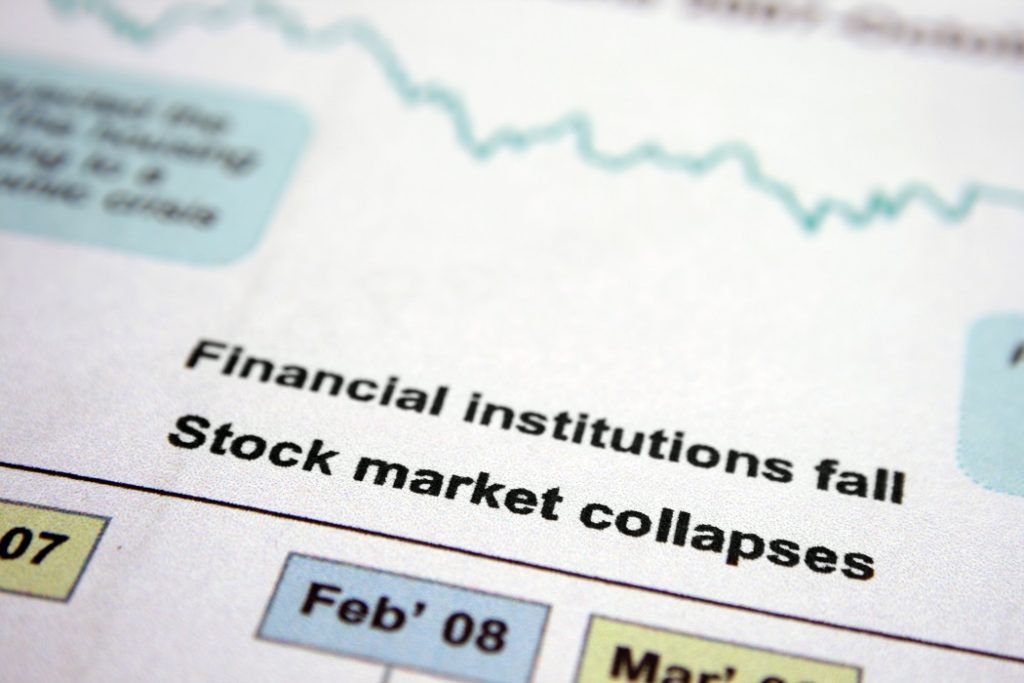
The domino effect ignited global panic: credit markets froze, stock indices plummeted, and financial systems teetered on the edge of collapse.
Worldwide GDP contracted as credit dried up. The U.S.
GDP shrank by over 5% from 2008 to 2009; global trade plummeted, unemployment soared—reaching 10% domestically—while governments and individuals faced foreclosures and job losses. Small businesses failed, pension funds eroded, and consumer confidence evaporated.
Global Ripple Effects: From Financial Markets to Daily Lives
The crisis was not confined to Wall Street—it seeped into homes, workplaces, and government balance sheets.Countries experienced sharp contractions: Europe’s recession rivaled the 1930s in severity, with Greece, Spain, and Ireland subjected to harsh austerity. Unemployment spiked, with millions displaced from jobs, and long-term youth unemployment laid the groundwork for social unrest.
Governments responded with unprecedented interventions.
The U.S. enacted the Troubled Asset Relief Program (TARP), authorizing $700 billion to recapitalize banks, while central banks slashed interest rates and launched quantitative easing to stabilize markets. In Europe, coordinated stimulus and financial sector bailouts aimed to prevent sovereign default, though prolonged economic stagnation followed.
Policy Shifts and Lessons Learned
The crisis reshaped global financial regulation. In the U.S., the Dodd-Frank Wall Street Reform and Consumer Protection Act (2010) introduced stricter capital requirements, created the Financial Stability Oversight Council, and mandated stress testing. Internationally, the Basel III accords enhanced bank resilience through higher liquidity and leverage ratios.Beyond regulation, the crisis forced a cultural reckoning. Investor behavior grew more cautious; institutional scrutiny of risk deepened; and central banks adopted more proactive crisis prevention strategies. “We now operate with far more humility,” stated a Bank of England official, reflecting a shift toward systemic risk awareness.
Long-Term Economic Legacies
The 2008 crisis left enduring marks: - Banks remain more capitalized and less leveraged, reducing near-term collapse risks. - Public skepticism of financial elites lingers, fueling populist movements and calls for greater transparency. - The unprecedented policy response redefined governments’ roles in stabilizing economies, expanding the toolkit for managing future crises.The Crisis as a Cautionary Tale
While markets rebounded strongly post-2009, the human cost—lost homes, careers, and hopes—endured. The 2008 Financial Crisis stands as a landmark event exposing the fragility of unchecked financial innovation and the interconnectedness of global markets. Its causes remain instructive, reminding policymakers and investors alike that systemic risk, if ignored, can detonate in ways no one materially saw coming.As global economies continue to evolve, the crisis endures not just as a historical episode, but as a vital lesson in prudence, oversight, and resilience.

:max_bytes(150000):strip_icc()/what-caused-2008-global-financial-crisis-3306176_FINAL-14548e14071e4bdb90ff985fac727225.jpg)

Related Post

Estelita Love’s Rise in Hip Hop: How Her Net Worth Reflects a Trajectory of Talent, Resilience, and Brand Power

Final Tragedy in Escanaba: Record-Lasting Obituary Marks Passing of Local Pillar

Exploring The World Of Mrdeepfake: A Deep Dive into Technology, Ethics, and Transformative Power

Unraveling The Legacy Of Slayer Jeff Hanneman: The Architect of Thrash Metal’s Soul