Dearborn’s Muslim Community: A Deep Dive into America’s Largest Urban Muslim Enclave
Dearborn’s Muslim Community: A Deep Dive into America’s Largest Urban Muslim Enclave
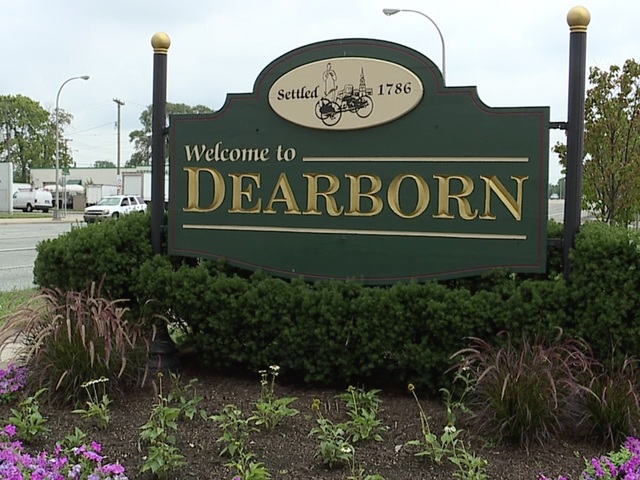
Nestled in the heart of Michigan’s Detroit metropolitan area, Dearborn stands as a unique epicenter of Muslim life in the United States. With a population where Islam shapes cultural, political, and social dynamics, the city exemplifies the growing presence and influence of Muslim communities in American urban life. home to one of the largest concentrations of Muslims per capita in the country, Dearborn’s demographic story is not only significant—it is transformative.
The Muslim population here reflects a blend of long-standing heritage, immigration waves, and evolving community identity, painting a nuanced picture of American pluralism.
Dearborn’s Muslim population is estimated at over 40,000 residents, according to recent census data and local demographic reports, representing nearly 40% of the city’s total population—far exceeding the national average. This concentration makes Dearborn a national benchmark for understanding Muslim life in urban America.
The roots of this demographic shift begin in the mid-20th century, when Arab immigrants—primarily Lebanese, Palestinian, and Syrian—began settling in the area, drawn by manufacturing jobs and affordable housing. Over generations, this community expanded, their cultural imprint deepening through generations born and raised in Dearborn.
Today, the population reflects both continuity and diversity.
According to a 2020 study by the Pew Research Center, Dearborn’s Muslim residents are predominantly born in the U.S., with deep integration into American civic life, while also maintaining strong connections to their Arab and Middle Eastern heritage. This blend fuels a unique community identity marked by vibrant religious practice, active civic participation, and interfaith engagement. In fact, Dearborn’s mosques serve not just as places of worship but as hubs for youth programs, educational initiatives, and social services that support the broader community.
The Demographics Behind the Numbers
The Muslim population in Dearborn is both young and growing, with children and teenagers forming a significant share—approximately 30% according to city reports.
This generational continuity ensures that Islamic values, bilingual education, and cultural traditions remain deeply embedded. Schooling patterns reinforce this cohesion: Islamic schools and weekend religious instruction are widespread, with institutions like the Fatima Al-Fihri Muslim Academy offering curricula that combine state-mandated academics with Islamic studies.
Ethnically, the community is predominantly Arab, yet includes growing representation from South Asian, African American, and immigrant populations from Southeast Asia and the Horn of Africa.
This diversity enriches local discourse and broadens the social fabric, evident in the variety of cultural festivals, halal food markets, and multilingual community events that define daily life in Dearborn.
Religious affiliation within the community reflects both Sunni majority shared norms and a spread of sects—estimates suggest around 65% adhere to Sunni Islam, while approximately 30% are Shia, with smaller communities representing other Islamic traditions. Despite this diversity, interfaith dialogue is actively cultivated, supported by local imams, inter-community councils, and partnerships with Christian and Jewish institutions.
This spirit of coexistence helps maintain social harmony in a city rich with religious pluralism.
Socio-Economic Profile and Civic Engagement
Dearborn’s Muslim residents demonstrate strong socioeconomic integration without severing cultural ties. Unemployment rates align closely with national benchmarks, though localized disparities exist, particularly among youth and immigrant-born populations. Nevertheless, higher education participation grows steadily, with many pursuing degrees at Henry Ford College and the University of Michigan–Dearborn, alongside increasing entrepreneurship—Halal restaurants, modest fashion boutiques, and Muslim-owned businesses increasingly dot Main Street and around Holy Family Hospital.
Civic involvement is a defining trait. Over 50% of eligible Muslim voters in Dearborn registered in recent elections, influencing local, state, and national politics—often aligning with progressive, community-focused platforms. The city’s municipal government includes Muslim officials, advisory council members, and active advocacy groups pushing for equitable policing, public school inclusivity, and religious accommodation in public spaces.
Religious life pulses through Dearborn’s physical landscape: approximately 40 mosques serve as spiritual anchors, hosting daily prayers, Ramadan iftars, and youth mentorship. The annual Dearborn Arab Festival and Eid celebrations draw thousands, affirming the community’s visibility and cultural pride. These gatherings are not just religious—they are expressions of identity, resilience, and belonging in an often-challenging national climate.
The role of education extends beyond formal schooling.
Community-led initiatives such as interfaith youth camps, civic literacy workshops, and digital outreach programs empower younger generations to navigate dual identities with confidence. Local media outlets, including the Dearborn Free Press and Arabic-language broadcasters, amplify Muslim voices, fostering informed dialogue and representation.
Despite external pressures and occasional Islamophobia, Dearborn’s Muslim community remains rooted and resilient.
The city’s social infrastructure—family networks, religious institutions, civic organizations—acts as a buffer, reinforcing cohesion and mutual support. This quiet strength is evident in how families balance tradition and modernity, youth engage with heritage while pursuing ambition, and community leaders advocate for justice and inclusion.
Challenges and Future Outlook
While Dearborn stands as a beacon of Muslim vitality, internal and external challenges persist. Economic inequality, linguistic barriers for second-generation youth, and occasional friction between cultural preservation and assimilation pressure assimilation and inclusion.
Some argue for expanded resources in mental health support and greater integration of social services tailored to immigrant needs. Yet, these challenges are met with proactive solutions: mental health clinics with cultural competency, expanded ESL programs, and youth leadership councils fostering dialogue across generations.
Looking ahead, demographic projections suggest Dearborn’s Muslim population will continue growing, now estimated at 50,000 by 2030, ensuring that the city’s identity as America’s Muslim heartland deepens.
Urban planners, educators, and civic leaders are beginning to anticipate this evolution, prioritizing inclusive development, cultural infrastructure, and expanded civic participation.
The future of Dearborn’s Muslim community lies not in isolation, but in dynamic engagement—harnessing heritage to fuel progress, identity to strengthen democracy, and community to shape a more inclusive America. As the nation’s urban Muslim nucleus evolves, Dearborn remains a living testament to the power of place, faith, and resilience intertwined in the American story.


Related Post

How Brad Pitt’s Parents Shaped a Hollywood Icon: The Unseen Influence of His Early Life

Unveiling the Emotional GPS: How James Norton Girlfriend List Reshapes How Dating Works

Latane & Browne: The Pioneering Psychology Behind Social Influence and Conformity
Michelle Buteau’s Candor With Gijs Van Der: A Rare Glimpse Into Love Beyond the Spotlight


