Raw Egg Protein Shakes: Yay Or Nay? We Settle the Nutritional Debate
Raw Egg Protein Shakes: Yay Or Nay? We Settle the Nutritional Debate
Raw egg protein shakes have emerged as a polarizing force in the wellness space—championed by fitness enthusiasts and nutritionists alike, yet scrutinized by health experts wary of raw consumption risks. At the heart of the debate lies a simple question: do the bold claims surrounding these unconventional shakes hold scientific merit, or are they more hype than health? With claims ranging from superior nutrient absorption to hidden pathogen dangers, the debate over raw egg protein shakes demands a clear, evidence-based evaluation that separates fact from fiction.
Raw egg protein shakes introduce a compelling premise—hinging on the purest form of dietary protein sourced directly from nature’s most complete whole food. Eggs are celebrated as a nutrient-dense staple, offering high-quality protein, critical amino acids, choline, and fat-soluble vitamins like vitamin D and B12. But when eggs are blended raw into protein shakes, do these benefits translate effectively, or do safety and bioavailability concerns overshadow advantages?
Nutritional Potential of Raw Egg Protein: The Science Background
Eggs boast a standout reputation in nutrition, with one large egg delivering approximately 6–7 grams of high-quality protein alongside essential micronutrients. Athletes and nutrition professionals often favor egg protein for its rapid digestion and balanced amino acid profile, particularly leucine, which plays a vital role in muscle protein synthesis.Raw Egg Protein’s Bioavailability Challenge
Despite these benefits, the raw state introduces a critical variable: enzyme inhibitors and potential pathogens.Egg whites contain avidin, a protein that binds biotin (vitamin B7), reducing its absorption—a concern amplified in whole, uncooked applications. While commercial egg products often deactivate avidin through heat processing, raw shakes may preserve this inhibitor, potentially blunting the bioavailability of key nutrients. Furthermore, raw eggs carry a small but real risk of Salmonella contamination.
While properly sourced eggs pose low danger, the absence of heat treatment in raw shakes elevates this concern, especially for vulnerable populations such as pregnant individuals, immunocompromised persons, and young children.
Claims of Enhanced Absorption: Fact or Fiction?
Proponents of raw egg protein shakes argue that consuming eggs in their raw form maximizes nutrient uptake. They cite the natural digestibility of uncooked egg white and kidney purification myths as grounds for skepticism toward pasteurization.However, expert reviews, including those from registered dietitians and food safety specialists, counter these views with concrete data. Studies show that heating egg whites to at least 65°C (149°F) for 5 minutes effectively denatures avidin, rendering it inactive and preserving protein quality without compromising amino acid integrity.
Processed vs.
Raw: The Critical Processing Differential Processed raw egg protein powders—made by gently heating, microfiltración, and drying—significantly reduce contamination risks while maintaining protein’s structural and functional properties. These treated products avoid the pathogen threat entirely and often enhance consistency and absorption compared to raw liquid formulations. Still, critics argue that the risk persists: consumption of raw materials, regardless of intent, can expose users to gritty texture, digestive discomfort, and long-term health hazards.
Performance and Muscle Outcomes: Evidence from Athletes
For athletes and fitness lovers, the central allure of raw egg protein lies in potential muscle recovery and growth. Limited clinical studies directly compare raw versus cooked egg protein in athletic performance, but anecdotal reports and physiological reasoning suggest promise. Egg protein ranks just below whey in rapid digestion—offering a sustained amino acid supply critical post-workout.Anecdotal Evidence vs. Controlled Research
Some bodybuilders and endurance athletes report improved recovery with raw egg protein shakes, citing smoother digestion and fewer gastrointestinal side effects than traditional dairy proteins. Yet, rigorous human trials comparing raw, cooked, and commercial egg protein supplements remain scarce.The available evidence leans toward cooked or processed forms demonstrating comparable muscle protein synthesis rates, supported by reliable absorption kinetics and safety profiles.
Safety and Regulatory Standing
Food safety authorities, including the U.S. Food and Drug Administration (FDA) and European Food Safety Authority (EFSA), emphasize that eggs intended for raw consumption must meet strict microbiological standards.Raw egg protein shakes, regardless of processing claims, require rigorous sourcing and handling to prevent Salmonella exposure. Commercial raw egg products targeting athletes use pasteurized or specially treated eggs to balance safety and nutrient fidelity. However, consumers without access to certified products face elevated risk.
Risk-Benefit Balance for the Average User
For most people, occasional use of raw egg protein shakes—particularly when sourced from reputable, pasteurized brands—poses minimal risk. The nutrient integrity remains strong when proteins are gently processed. But daily consumption, especially without medical supervision, introduces unnecessary danger.The trade-off between perceived purity and real safety impacts any decision to incorporate these shakes into a daily regime.
Digestive Considerations and Personal Tolerance
Raw egg consumption often triggers digestive discomfort in sensitive individuals. The presence of intact avidin may bind to nutrients, while the raw protein structure can be harder to break down, leading to bloating, gas, or nausea.Low-Lactose, High-Choline Advantages On balance, raw egg protein offers a unique nutritional package: complete protein, fat-soluble vitamins, and choline—a nutrient linked to brain health that many dietaries lack sufficient intake of. For those avoiding dairy due to intolerance or preferences, egg protein shakes present a viable, high-quality alternative when safely processed. Cooking preserves these benefits while neutralizing avoidance triggers.
Flavors, Usage, and Practical Considerations
Raw egg protein shakes often suffer from texture and taste challenges. The concentration of raw egg can result in chalky mixtures, strong “egg” flavor, and slimy consistency—deterrents for many. Commercially blended versions attempt to mask this with flavors, reportedly improving palatability, but whole raw egg formulations remain less appealing than whey or plant-based protein mixes.Blending and Palatability Innovations
Innovative mixing techniques, including gradual hydration, temperature control, and flavor encapsulation, have enhanced raw egg shake acceptability. Still, comparing sensory experience to established protein blends reveals a clear gap. Market availability remains limited, and consumer education about preparation and sourcing shapes real-world use.Ethical and Dietary Context: Who Should Trust Raw Egg Protein?
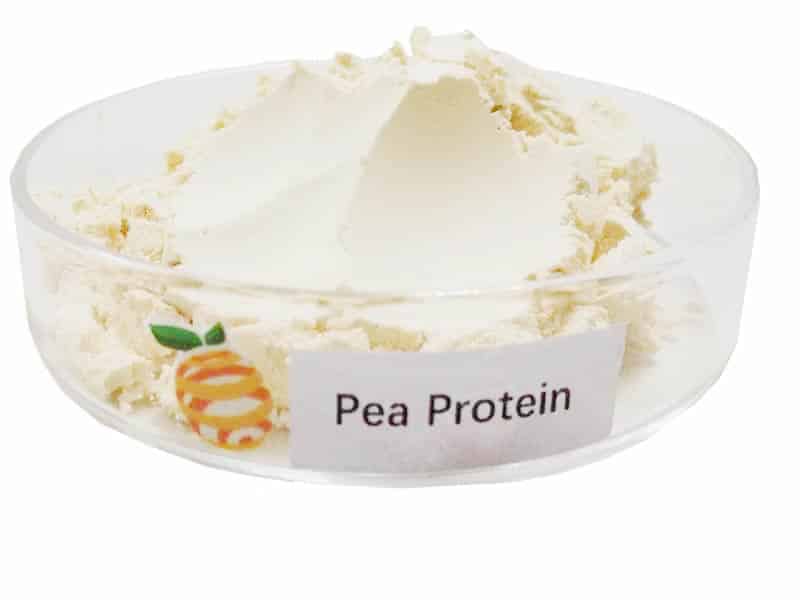
Vegetarians, vegans, and those avoiding animal products should consider alternatives like pea, hemp, or rice protein, which deliver complete amino acid spectra without safety concerns. Raw egg protein remains exclusive to omnivores and those with verified, low-risk access to high-quality eggs. Religious and dietary restrictions also influence comfort: for example, halal and kosher certifications require specific egg sourcing, adding another layer of complexity.Special Populations: Risk Amplified
Pregnant women, young children, and immunocompromised individuals face higher vulnerability. Rigorous clinical guidelines advise against raw egg consumption in these groups, regardless of processing status.Emerging Alternatives and Compromises While whole raw egg protein carries trade-offs, food science offers promising compromises.
Heat-treated, enzyme-modified, and cold-pressed egg protein concentrates aim to retain purity, safety, and digestive ease. These hybrid products bridge the gap between raw integrity and commercial reliability, appealing to discerning users seeking both nutrition and security.
Final Assessment: Weighing the Raw Truth
Raw egg protein shakes are not inherently bad, nor are they universally dangerous—when sourced and processed responsibly.Their compelling protein profile, rich in essential amino acids and choline, appeals to active lifestyles demanding high-quality fuel. However, the innate risks of pathogen exposure and potential nutrient binding demand caution. For most users, pasteurized, processed raw egg protein shakes provide a safe, potent nutritional option.
Passive consumers or those with sensitivities would benefit more from well-tested dairy or plant-based alternatives. As with any dietary innovation, the choice hinges on personal tolerance, safety awareness, and an objective evaluation of benefits versus harm. In the raging debate of
Raw Egg Protein Shakes: Yay Or Nay?
, the verdict leans toward pragmatic caution—raw egg protein works, but only when processed right, and used mindfully.


Related Post

Carti Pfp: The Rising Force Shaping Visual Storytelling in Digital Communities

When Love Ends in Silence: The Profound Quiet Surrounding Chris Perez’s New Wife Selena at Selena’s Funeral

Philippine Legends Revealed: The Enduring Power of Alamat Stories

Jessica Matten’s Net Worth: The Rise of a Tech Entrepreneur’s Financial Legacy