The Republican Presidents List: Architects of Modern American Conservatism
The Republican Presidents List: Architects of Modern American Conservatism
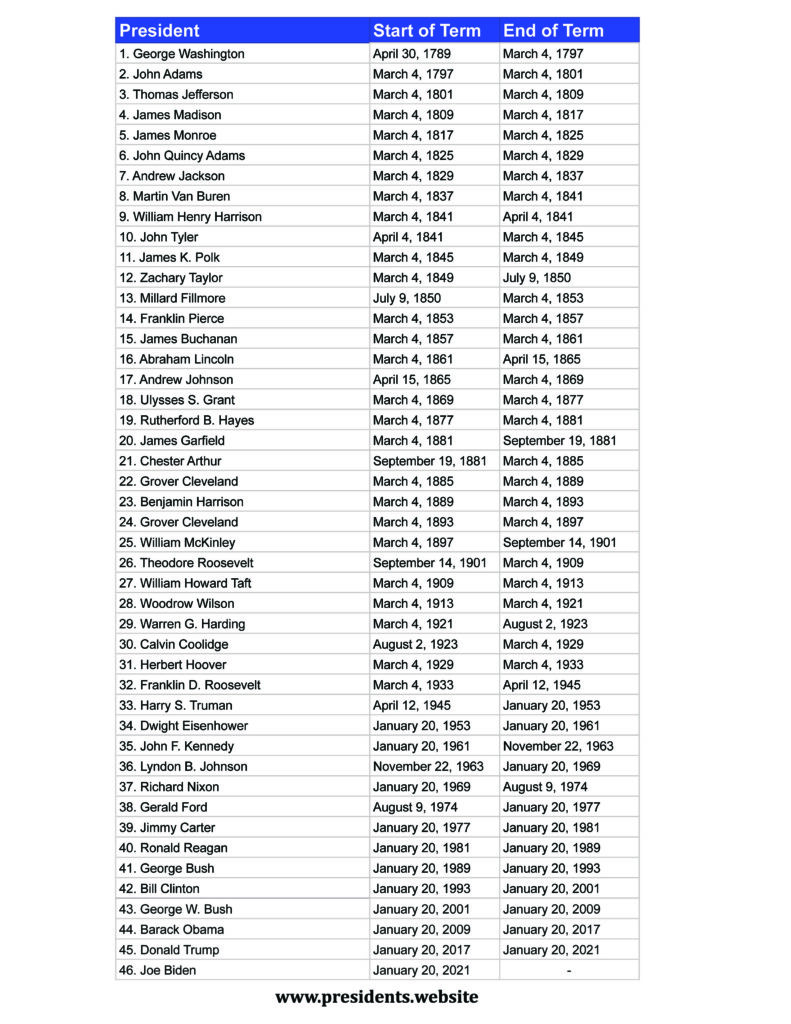
At the heart of modern Republican tradition lies a distinct lineage of leaders whose policies, ideologies, and governance styles collectively shaped the party’s identity. From the foundational rule of Dwight D. Eisenhower to the transformative tenures of Ronald Reagan and George W.
Bush, Republican presidents have not only advanced conservative principles but redefined America’s political and economic landscape. This list examines the key figures within the Republican Presidents List, analyzing their contributions, defining policies, and lasting impact on national direction—revealing a consistent reinforcement of limited government, fiscal restraint, and strong national defense. Each Republican president added distinctive marks to the party’s legacy, building on preceding visions while responding to the nation’s evolving challenges.
What elevates their significance is not mere adherence to ideology, but the strategic implementation of core Republican tenets that altered policy frameworks and public expectations nationwide.
Dwight D. Eisenhower (1953–1961): Steering Compassion with Cold War Realism Eisenhower entered office during a period of postwar uncertainty, navigating the tensions of the early Cold War with measured leadership.
A former general, he understood both military strength and domestic cohesion as pillars of a strong republic. His administration championed fiscal responsibility, preserving budget discipline even amid military buildups. Perhaps most notably, he initiated the Interstate Highway System in 1956—a landmark infrastructure project that fused national defense needs with economic expansion.
Eisenhower famously warned against the “military-industrial complex” in his farewell address, cautioning against unchecked influence, yet he expanded defense spending and embraced strategic deterrence through nuclear capability and alliances like NATO. His balanced approach underscored Republicanism’s dual focus: fiscal prudence and responsible strength abroad.
Richard Nixon (1969–1974): Realpolitik, Environmental Policy, and a Presidency Undone Nixon’s tenure encapsulates the complexities of Republican leadership in a turbulent decade.
A master of foreign policy, he orchestrated détente with the Soviet Union and, most prominently, opened diplomatic channels with China—reshaping global geopolitics. Domestically, Nixon advanced conservation with landmark legislation including the Clean Air Act and establishing the Environmental Protection Agency. Yet, his presidency collapsed amid the Watergate scandal, eroding public trust and revealing the fragility of executive power.
Nixon underscored Republicanism’s potential for visionary statecraft but also demonstrated how accountability and integrity remain indispensable. His legacy blends strategic innovation with a sobering reminder of governance’s ethical demands.
Ronald Reagan (1981–1989): Revitalizing Conservatism Through Economic and Moral Revival Reagan’s two terms marked a defining resurgence for the Republican Party, reinvigorating conservatism with bold economic reforms and a reinvigorated Cold War strategy.
Known as “The Great Communicator,” he combined economic deregulation with supply-side tax cuts, arguing low rates would spur investment and growth—a philosophy encapsulated in “Reaganomics.” His administration aggressively increased defense spending, leveraging military pressure to force Soviet concessions, contributing directly to the end of the Cold War. Domestically, Reagan championed limited government and individual responsibility, reshaping public attitudes toward welfare and taxation. His rhetorical clarity and unwavering belief in American exceptionalism galvanized a political movement that fundamentally shifted the center of gravity within the party.
George H. W. Bush (1989–1993): A Global Leader in Transition Bush’s presidency unfolded during a historic transition—from Cold War dormancy to global realignment.
A seasoned diplomat, he led U.S. forces in the Gulf War, commanding a broad coalition to expel Iraqi aggression and restore international order. Economically, he inherited recession and deficit concerns, responding with tax increases despite party resistance—a rare bipartisan concession.
Domestically, he championed environmental protection, signing the Clean Air Act amendments, and emphasized compassion in governance, famously stating, “Read my lips: no new taxes.” Though his foreign triumph was followed by electoral defeat, Bush demonstrated Republicanism’s strength in international leadership and principled policy navigation during transformative times.
George W. Bush (2001–2009): Domestic Crisis and War on Terror Bush’s presidency was defined by unprecedented national trauma and assertive interventionism.
The September 11 attacks prompted a sweeping reorientation: the Global War on Terror reshaped defense and intelligence but also sparked enduring debates over civil liberties and foreign intervention. Domestically, he enacted major tax cuts and championed the controversial Patriot Act, expanding government surveillance to counter evolving threats. His response to Hurricane Katrina exposed shortcomings in emergency preparedness, prompting systemic reforms.
Economically, large deficits grew under stimulus and war costs, fueling criticism of fiscal stewardship. Yet Bush’s leadership in crisis underscored Republican priorities: national security, decisive action, and limited but assertive government in times of peril.
The cumulative impact of these Republican presidents reveals a consistent thread: a fusion of economic conservatism, strong defense, constitutional fidelity, and a pragmatic yet principled approach to governance.
From Eisenhower’s infrastructure vision to Bush’s post-9/11 leadership, each leader expanded or refined the Republican blueprint, balancing fiscal restraint with strategic resolve. While internal ideological debates persist—over foreign intervention, social policy, and the role of government—their collective record demonstrates how Republican presidents have shaped—and been shaped by—the enduring tensions of American democracy. Their legacies endure not only in policy but in the evolving expectations of a party committed to preserving liberty through defined, though contested, principles.

Related Post

The Republican Presidents List: Architects of Modern Conservative Governance

Unveiling the Legacy of Cicely Yasin Bernhard Father: A Architect, Philosopher, and Visionary

Michael Jordan’s Son at Just 26: The Age When Legacy Meets Tomorrow

Is Daniel Tosh’s Wife a Secret Star On His Show? Close Look Reveals Hidden Presence