Where Is Persia? The Timeless Heart of a Historical Empire
Where Is Persia? The Timeless Heart of a Historical Empire
Nestled in the rugged, sun-drenched landscapes of modern-day Iran, Persia stands as a civilization etched in millennia of history, empire, and cultural resilience. Though often conflated with language or modern borders, the true essence of Persia lies deep in its geography, ancient heritage, and enduring legacy—long before borders defined the region. This article uncovers where Persia truly exists—not merely on a map, but through its geography, history, cultural footprint, and contemporary significance.
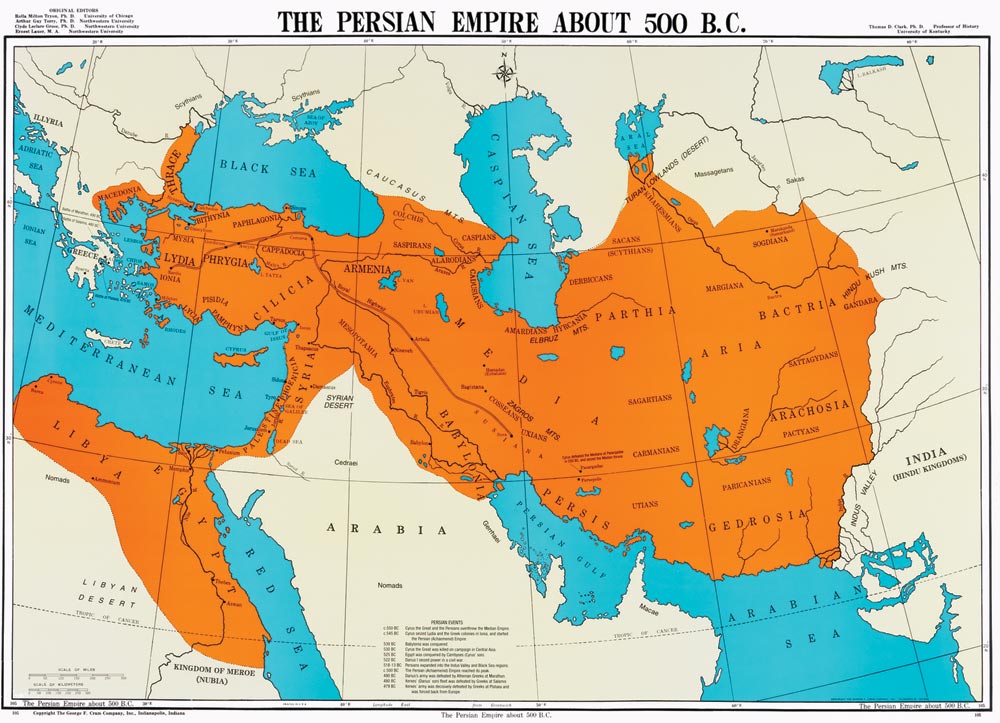
Visually, Persia occupies the Iranian plateau, a vast, elevated landmass bordered by towering mountain ranges including the Alborz and Zagros systems. This strategic position has shaped its historical role as a crossroads between East and West. Positioned between the Mediterranean Sea, the Arabian Peninsula, and Central Asia, Persia has long served as a bridge for trade, ideas, and empires.
Its central location gave rise to one of the most influential civilizations in human history—the Achaemenid Empire—founded over 2,500 years ago by Cyrus the Great.
The Historical Heartland of Ancient Persia
Anchored in the heart of the Iranian plateau, ancient Persia began as a cluster of Median and Persian tribes in what is now northwestern Iran. The Achaemenid Empire quickly expanded, creating a vast domain under a centralized administration unseen in its time. At its peak, the empire stretched from the Indus Valley in the east to modern-day Greece in the west—a territory that included much of what modern scholars define as “Persia.”
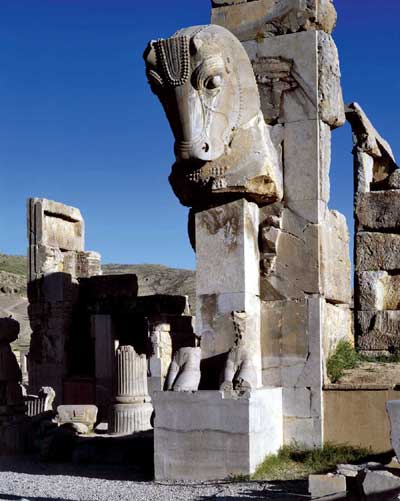
Key centers like Persepolis—once the ceremonial capital—symbolized Persia’s grandeur.
From 518 BCE, King Darius I transformed the site into a monumental symbol of imperial power, with elaborate reliefs, grand palaces, and inscriptions celebrating both Zoroastrian values and royal authority. As Herodotus recorded in his "Histories," Persia was not a flat empire but a sophisticated network of satrapies (provinces), each managed by governors accountable to the Great King in Persepolis and later Susa and Babylon.
The legacy of ancient Persia endures: its administrative innovations, infrastructure via the Royal Road, and cultural synthesis influenced Hellenistic, Parthian, and Sassanian eras. Even after successive invasions, Persian identity persisted, building a continuity unmatched in regional history.
Geography: The Shaping Force Behind Persian Identity
Persia’s physical landscape is both a cradle and a guardian of its civilization.
The arid central plateau, ringed by formidable mountain ranges, created a natural haven that fostered agricultural innovation and relative security. The Zagros Mountains in the west protected against Mesopotamian incursions, while the Alborz range sheltered the ancient heartland from colder northern winds.
Water sources were pivotal. The Karun, the only navigable river in Iran, enabled irrigation and settlement in Khuzestan—an ancient agricultural hub once known as Elam, a precursor to Persian dominance.
The Dasht-e Kavir and Dasht-e Lut deserts, though harsh, acted as natural barriers, reinforcing inward cohesion.
Cities flourished where water flowed: Isfahan, once a jewel of Safavid Persia, became a center of architecture and learning, immortalized by the Naqsh-e Jahan Square, a UNESCO World Heritage Site. Tehran, now the capital, evolved from a small village to a modern metropolis while anchoring the Persian plateau’s continued relevance.
Cultural Resilience and the Making of Persian Identity
Persia’s identity was never defined solely by borders but by language, literature, and thought. The Persian literary renaissance—spanning epic poetry and philosophical prose—cemented a cultural continuity that outlived empires.
Ferdowsi’s "Shahnameh," completed in 1010 CE, preserved pre-Islamic myths and heroic lore, becoming a foundational text of national consciousness.
Religious evolution also shaped Persia’s character. While Zoroastrianism laid early philosophical foundations, the Islamic conquest of the 7th century transformed spiritual life—still, Persian culture absorbed Islam while maintaining a distinct intellectual ethos. Poets like Rumi and Hafez fused Sufi mysticism with lyrical beauty, expanding Persia’s spiritual reach beyond geography.
Persia in the Modern Era: A Nation Reborn
The modern Islamic Republic of Iran claims direct descent from ancient Persia, emphasizing unbroken cultural threads.
Its borders—officially drawn in the 20th century—encompass regions that Were historically Achaemenid, Parthian, and Sassanian. Yet Persia’s spirit transcends political boundaries, resonating in architecture, cuisine, language (Persian or Farsi), and diaspora pride.
From Tehran’s bustling bazaars to Shiraz’s flowering gardens, daily life reflects Persian heritage. The country’s rich artistic traditions—calligraphy, miniature painting, carpet weaving—express values rooted in millennia of history.
Even Iran’s geopolitical role, navigating complex regional dynamics, bears echoes of its ancient diplomatic acumen.
Scholars note that understanding where Persia lies requires looking beyond maps: it means absorbing a landscape shaped by empires, a population sustained by ancient resilience, and a culture that endures through change. Persia’s presence endures not in borders alone, but in the living mosaic of its people, traditions, and contributions to human civilization.
In every stone of Persepolis, every verse of Hafez, every mosaic in Isfahan’s mosques, Persia speaks—a testament to a civilization that endured, adapted, and inspired across millennia. Where is Persia?
It rests not only in historical records but in the living heart of Iran, where past and present converge in a nation proudly known as Persia.

Related Post

Consequent Boundary: Engineering Precision at the Edge of Physical Possibility

Lori Butler’s Breakthrough Insights Transform Professional Excellence Through Neuro-Informed Coaching

The Inspiring Journey of Cindy Gruden: The Unseen Force Behind NFL’s Architect

How Close Is Saturn From the Sun? The Scale of Earth’s Ringed Giant